Fagatele Bay National Marine Sanctuary — Protecting a Living Coral Reef Ecosystem
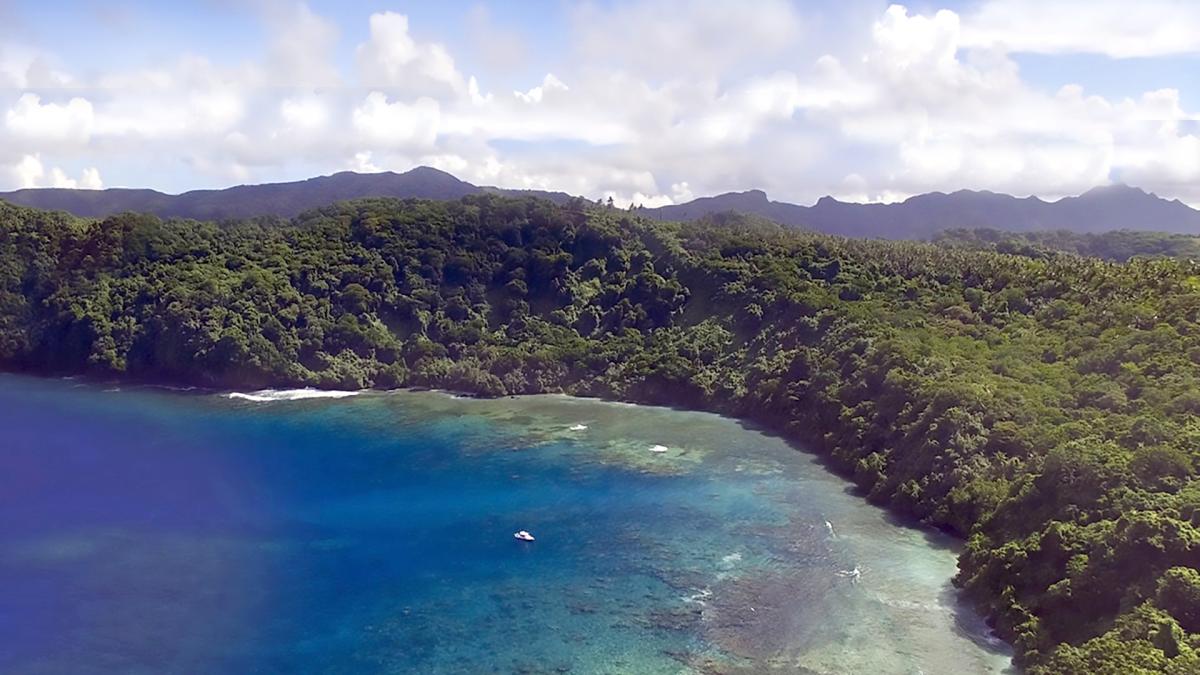
Located on the southern shore of Tutuila, Fagatele Bay National Marine Sanctuary is one of the most ecologically significant marine protected areas in the Pacific. Designated in 1986 as the first national marine sanctuary in the Southern Hemisphere, the site preserves a rare and relatively undisturbed tropical coral reef ecosystem within a collapsed volcanic crater.
The bay’s horseshoe-shaped shoreline shelters vibrant coral communities, reef fish, invertebrates, and migratory marine species. Its protected waters support some of the most diverse coral assemblages in the U.S. Pacific territories, making it a vital site for conservation, research, and education.
Ecological Importance
Fagatele Bay contains extensive hard coral cover, including species that are critical to reef-building and shoreline protection. The reef system provides habitat for reef fish, giant clams, sea turtles, and other marine life that sustain both biodiversity and traditional subsistence practices.
Because coral reef ecosystems are particularly vulnerable to climate change, ocean warming, and acidification, Fagatele Bay serves as an important long-term monitoring site. Scientific study conducted in and around the sanctuary contributes to broader understanding of coral resilience, bleaching events, and reef recovery.
Role of NOAA
The sanctuary is administered by the National Oceanic and Atmospheric Administration (NOAA) through the Office of National Marine Sanctuaries. NOAA works in partnership with the American Samoa Government, local villages, scientists, and community stakeholders to manage and protect the site.
NOAA’s responsibilities include:
- Conservation planning and regulatory oversight
- Scientific monitoring and ecological research
- Education and public outreach
- Habitat restoration and resilience initiatives
- Enforcement of federal protections
Through NOAA’s stewardship, Fagatele Bay became part of the broader National Marine Sanctuary System, a nationwide network of underwater parks that conserve America’s most significant marine environments.
In 2012, the sanctuary boundaries were expanded to include additional marine areas around Tutuila, Aunuʻu, and the Manuʻa Islands, strengthening protections for coral reefs and associated habitats across the territory.
Cultural and Community Connection
Fagatele Bay is not only an ecological treasure but also an area of cultural importance to nearby villages. Traditional stewardship practices and community engagement remain central to the sanctuary’s management approach. Federal and territorial collaboration ensures that conservation efforts respect Samoan customs and local governance structures.
A Commitment to Future Generations
As one of the Pacific’s most important coral reef habitats under U.S. protection, Fagatele Bay National Marine Sanctuary represents a shared commitment to environmental stewardship, scientific leadership, and responsible management of marine resources.
Through sustained partnership between local communities, territorial leadership, and NOAA, Fagatele Bay continues to serve as a model for conservation that protects natural heritage while supporting education, research, and long-term ecological resilience.