Rainmaker Mountain
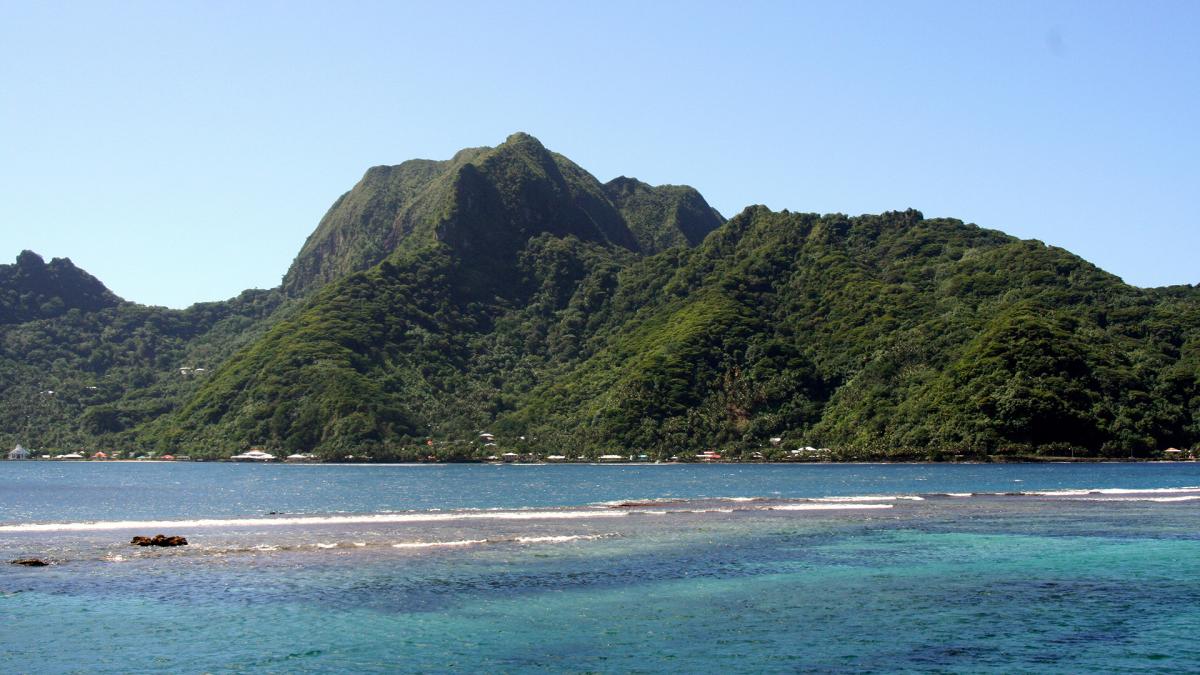
Rainmaker Mountain (Mount Pioa) — Nature’s Climate Engine of Pago Pago
Rainmaker Mountain, formally known in Samoan as Mount Pioa, is one of the most prominent natural landmarks on Tutuila—the principal island of the U.S. territory of American Samoa. Rising to an elevation of approximately 523 meters (1,716 feet) above sea level, Rainmaker Mountain dominates the skyline above Pago Pago Harbor and plays a vital role in shaping the island’s climate, ecology, and cultural identity.
Name and Climate Significance
The Samoan name Pioa—often anglicized to “Rainmaker”—reflects the mountain’s well-documented meteorological influence: moist southeast trade winds are forced upward by the steep slopes, causing condensation and heavy precipitation that contribute to Pago Pago’s distinction as one of the wettest harbor locations in the world. Rainmaker Mountain regularly records annual rainfall on the order of 200 inches (5 meters), producing lush tropical vegetation and sustaining vibrant rainforest ecosystems.
Geological and Ecological Importance
Rainmaker Mountain is a volcanic plug formed millions of years ago as molten lava cooled and hardened within the vent of an ancient volcano. Its rugged rocky core and steep slopes are cloaked in montane rainforest and scrub vegetation that support rare and endemic plant and bird species found only in American Samoa. Because of its exceptional natural qualities, the mountain and its upper slopes were designated a National Natural Landmark in 1972.
The Rainmaker massif features a three-pronged summit, comprising North Pioa, South Pioa, and Sinapioa peaks that collectively rise above a landmark area of roughly 170 acres.
Cultural and Historical Context
Rainmaker Mountain holds deep significance in local cultural traditions and oral history, often associated with Samoan legends that link the land and weather patterns to ancestral narratives. Its striking profile is familiar to island residents and visitors alike and remains a powerful symbol of the natural heritage of American Samoa.
Military and Strategic History
Following the U.S. Navy’s establishment of a naval station at Pago Pago in 1900, the deep-water harbor and surrounding highlands became integral to regional defense planning. During World War II, the island of Tutuila was fortified to protect Pacific communication routes and deter enemy landings. American Samoa also became one of the largest jungle warfare training areas in the South Pacific during the war as U.S. forces prepared for Pacific operations.
Legacy and Conservation
Today, Rainmaker Mountain remains a treasured natural asset for American Samoa. Its ecological richness, climatic influence, and cultural resonance continue to inspire stewardship and scientific interest. Federal and local conservation efforts work in partnership with traditional village custodians to preserve this unique landmark for future generations.