Rose Atoll Marine National Monument
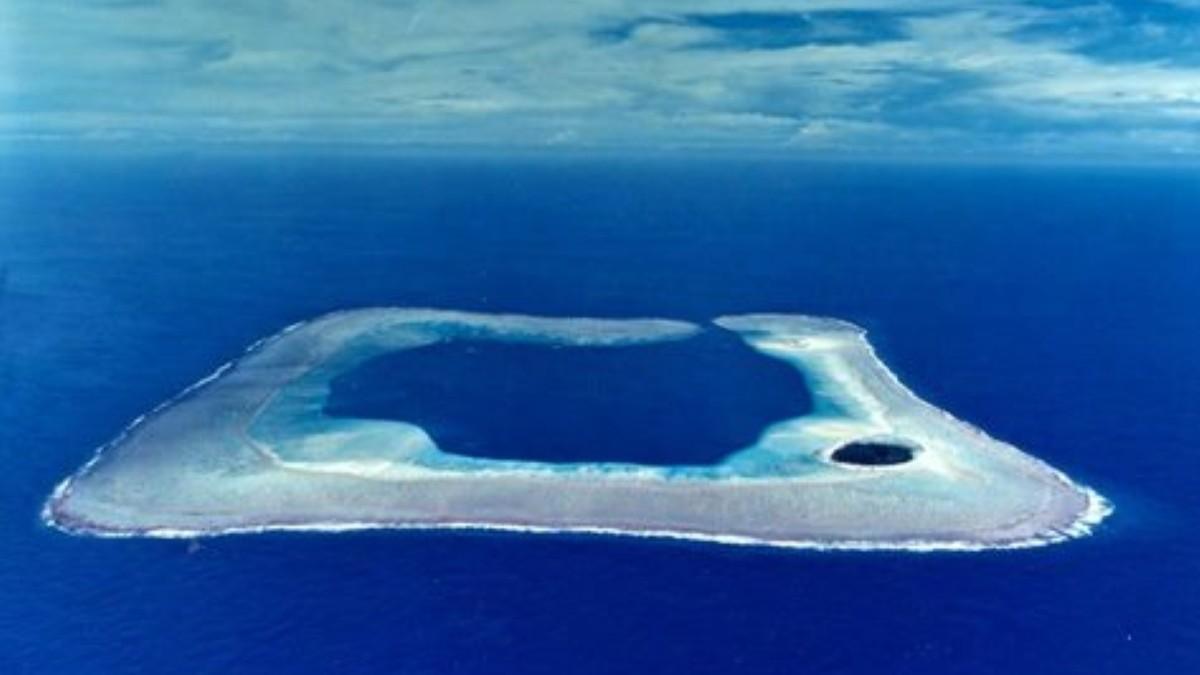
Rose Atoll Marine National Monument — A Pristine Coral Atoll at America’s Southernmost Point
Located approximately 130 nautical miles east-southeast of Tutuila, Rose Atoll is the easternmost and southernmost point under the United States flag. This remote, low-lying coral atoll is widely regarded as one of the most pristine marine ecosystems in the Pacific. Its isolation has allowed vibrant coral reefs, abundant marine life, and significant seabird colonies to persist with minimal disturbance.
A Living Coral Reef System
Rose Atoll is renowned for its exceptionally healthy coral reef structure. The atoll’s lagoon and surrounding reef slopes contain extensive hard coral formations, including rare rose-colored coralline algae from which the atoll takes its name. The reef system supports diverse reef fish populations, large predatory species, sea turtles, giant clams, and other marine life that depend on intact coral habitat.
Because the atoll remains largely uninhabited and highly protected, it serves as an important scientific baseline for understanding coral reef resilience, ocean warming impacts, and long-term ecosystem change across the Pacific.
A Critical Seabird Sanctuary
Rose Atoll supports one of the most important seabird nesting colonies in the central Pacific. Tens of thousands of birds rely on the atoll’s small islets for breeding and roosting habitat. Species commonly found at Rose Atoll include red-footed boobies, great frigatebirds, sooty terns, and brown noddies.
Historically, the atoll was also home to the Rose Atoll starling, a bird species found nowhere else in the world and now considered extinct. Its loss underscores the fragility of isolated ecosystems and the importance of careful stewardship.
Federal Stewardship and NOAA’s Role
Marine areas of the monument are managed by the National Oceanic and Atmospheric Administration (NOAA), which oversees conservation planning, scientific research, resource protection, and regulatory enforcement within the surrounding waters.
The emergent land areas and terrestrial wildlife habitat are managed by the U.S. Fish and Wildlife Service (USFWS) as part of the National Wildlife Refuge System. The American Samoa Government serves as an essential partner in consultation, cultural stewardship, and cooperative management.
Together, these entities work to preserve the ecological integrity of Rose Atoll while supporting scientific study, climate research, and responsible management of marine resources.
Commitment to Conservation
Rose Atoll Marine National Monument represents a national commitment to safeguarding one of the most undisturbed coral reef ecosystems under U.S. jurisdiction. Its protections help ensure:
- Long-term coral reef resilience
- Preservation of critical seabird nesting habitat
- Protection of migratory marine species
- Continued scientific research and monitoring
Through the ongoing leadership of NOAA, USFWS, and territorial partners, Rose Atoll stands as a model of collaborative conservation — protecting a rare and irreplaceable natural treasure for future generations.